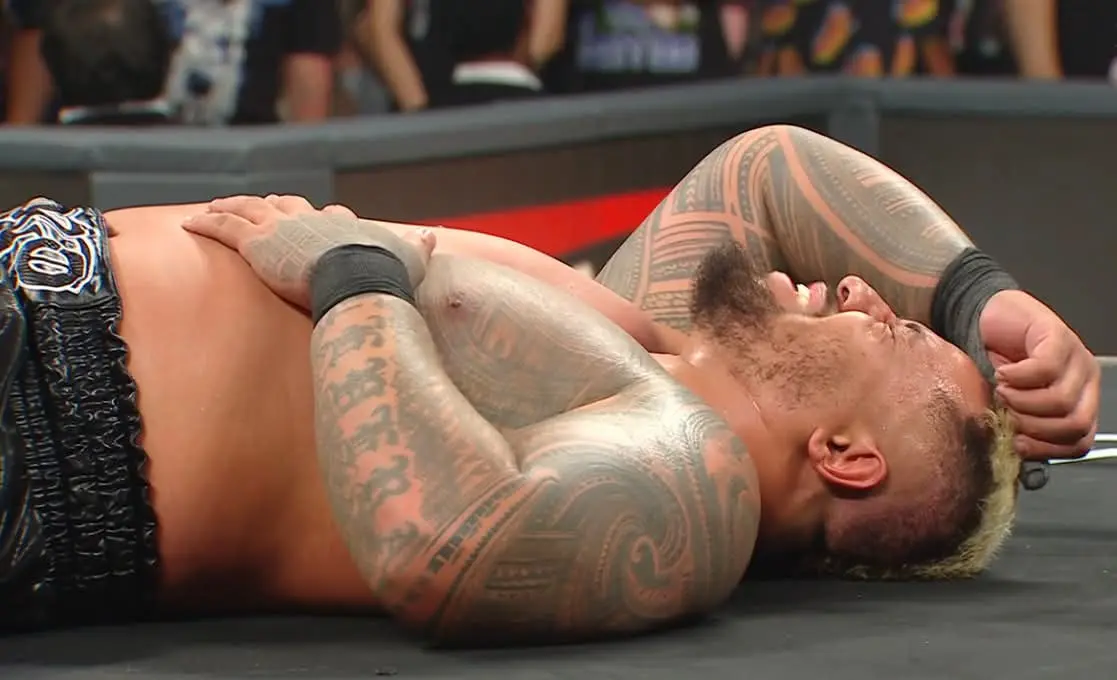

In a world often defined by larger-than-life characters and relentless physical prowess, WWE Superstars are rarely seen as vulnerable. Yet, one of the company’s most beloved and charismatic figures, R-Truth, has courageously stepped forward to share his personal mental health journey. This powerful revelation offers a vital glimpse into the man behind the microphone, highlighting the universal struggles many face, even those who appear invincible on screen.
The Man Behind the Mic: R-Truth’s Candid Revelation
Ron Killings, known to millions as R-Truth, has captivated audiences for decades with his unique blend of athleticism, comedic timing, and infectious personality. From championship reigns to memorable segments, he’s been a constant source of entertainment. But beneath the surface of his energetic persona lies a human being navigating the same emotional landscapes as anyone else. His decision to speak out about his mental health struggles isn’t just a personal confession; it’s a significant moment for destigmatizing mental health discussions within professional wrestling and beyond.
It takes immense bravery for a public figure, particularly one in such a physically demanding and high-pressure industry, to open up about internal battles. The relentless travel, the physical toll of nightly performances, and the constant pressure to maintain a larger-than-life image can be incredibly taxing. For R-Truth to pull back the curtain on his own experiences offers a profound lesson in authenticity and strength.
The Invisible Opponent: Understanding Mental Health Struggles
While the specifics of R-Truth’s struggles weren’t detailed, his willingness to simply acknowledge them resonates deeply. Mental health challenges manifest in countless ways, from anxiety and depression to burnout and identity crises. For athletes, the constant scrutiny, performance expectations, and physical pain can amplify these issues. It’s easy for fans to forget that behind the glitz and glamour, these are individuals with complex lives, often sacrificing much for their craft.
R-Truth’s story serves as a crucial reminder that mental well-being is just as important as physical health. You can’t see a broken spirit or a weary mind, but their impact is just as real, if not more debilitating, than a broken bone. His message quietly champions the idea that seeking help or simply acknowledging one’s struggles isn’t a weakness, but a profound act of self-preservation and strength.
Finding His Anchor: R-Truth’s Grounding Strategies
The summary mentions R-Truth’s methods for staying grounded. While the specifics remain personal, common strategies for public figures navigating intense pressure often include:
- Strong Support Systems: Relying on family, close friends, or a trusted inner circle to provide perspective and emotional backing.
- Mindfulness and Self-Care: Engaging in practices like meditation, exercise, or hobbies that allow for mental decompression away from the spotlight.
- Professional Help: Utilizing therapy or counseling to develop coping mechanisms and process challenging emotions.
- Faith or Spirituality: Finding solace and guidance in personal beliefs that provide a sense of purpose and stability.
These aren’t just celebrity secrets; they’re universal tools for resilience. R-Truth’s ability to maintain his infectious energy and positive outlook suggests he’s found a powerful regimen to protect his inner peace, a testament to his dedication to self-care.
A Broader Impact: Normalizing the Conversation
When someone of R-Truth’s stature shares their vulnerabilities, it creates a ripple effect. It tells countless fans, particularly young men who might idolize wrestlers, that it’s okay not to be okay. It opens doors for conversations that might otherwise remain shut, chipping away at the stigma surrounding mental health. His voice adds to a growing chorus of athletes and public figures advocating for greater awareness and acceptance, paving the way for a more compassionate and understanding society.
R-Truth’s journey is a powerful testament to the fact that true strength isn’t just about what you can do in the ring, but how you navigate the battles within. His openness is a gift, reminding us all that even the toughest heroes have moments of vulnerability, and that’s perfectly fine.
Frequently Asked Questions (FAQ)
Q1: Why is R-Truth's sharing about his mental health significant?
A1: R-Truth's decision to discuss his mental health journey is significant because it helps to destigmatize mental health issues, especially within the often-macho world of professional wrestling. It shows fans that even their heroes face struggles, encouraging more open conversations and challenging the notion that vulnerability is a weakness.
Q2: What kind of pressures might WWE Superstars face that could impact their mental health?
A2: WWE Superstars endure immense pressure. This includes the physical toll of constant travel and demanding performances, the pressure to maintain a larger-than-life persona, constant public scrutiny, managing injuries, and the stress of being away from family. These factors can collectively take a significant toll on mental well-being.
Q3: How can public figures like R-Truth help others by sharing their stories?
A3: When public figures like R-Truth share their mental health stories, they normalize the conversation. It tells people that they are not alone in their struggles and that it's okay to seek help. Their visibility can inspire others to address their own mental health, reduce feelings of shame, and encourage a more supportive community.
Q4: What are some common ways people stay grounded amidst stress, similar to what R-Truth might do?
A4: People use various strategies to stay grounded. These often include leaning on strong support systems (family, friends), engaging in self-care activities like exercise or hobbies, practicing mindfulness or meditation, seeking professional therapy or counseling, and finding comfort in personal faith or spiritual practices. The goal is to create balance and protect one's inner peace.