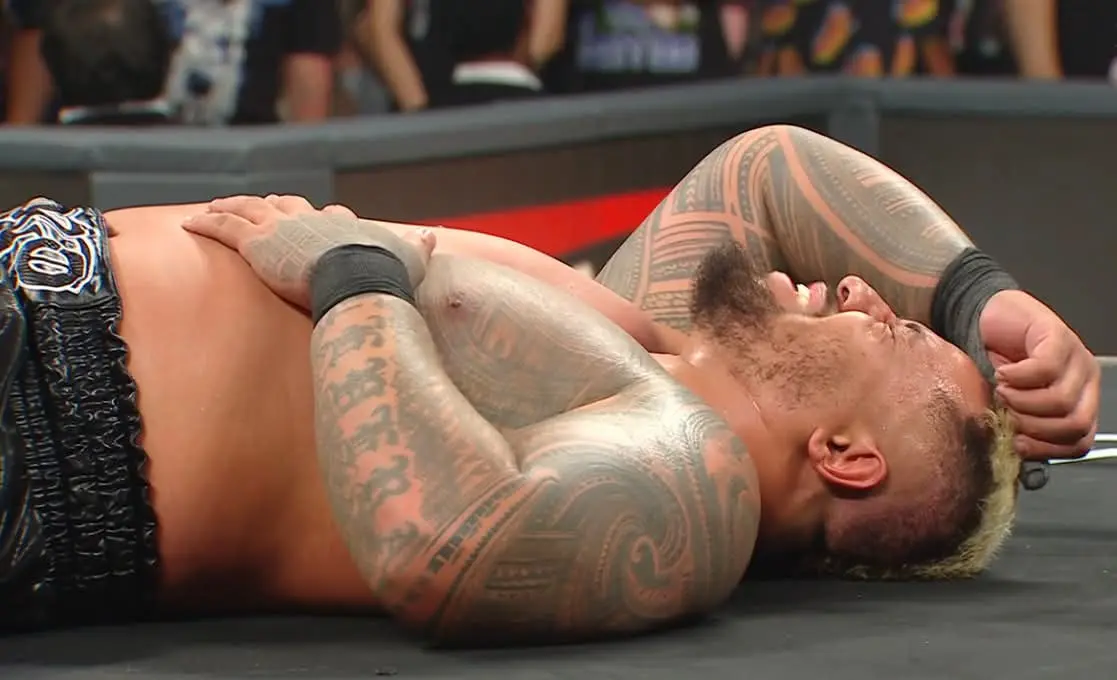

The wrestling world collectively raised an eyebrow when news broke that CM Punk, one of its most outspoken and beloved figures, had abruptly quit Twitter. This wasn’t a typical social media hiatus or a beef with a fellow wrestler; instead, the catalyst for his surprising CM Punk Twitter Exit was far more personal and poignant. It stemmed from a deeply insensitive remark by a stranger, dredging up the painful memory of a career-defining injury he’d rather leave in the past.
CM Punk: The Voice of the Voiceless Steps Back
For years, Phillip Jack Brooks, known globally as CM Punk, cultivated a reputation as a charismatic, no-nonsense presence both inside and outside the ring. Born in Chicago in 1978, Punk carved out a legendary career, rising through independent circuits before making his WWE debut in 2005. His unique blend of exceptional in-ring skill, sharp wit, and an unapologetic attitude quickly made him a fan favorite. Remember his iconic WWE Championship win at Money in the Bank in 2011? Or his critically acclaimed bout against John Cena at WrestleMania XXVIII? He was a force.
Beyond his athletic prowess, CM Punk was also a prolific and direct voice on social media. He used platforms like Twitter to connect directly with his massive fanbase, share his candid thoughts on the wrestling industry, and offer glimpses into his personal life. His online presence wasn’t just a side gig; it was an extension of his ‘Voice of the Voiceless’ persona, making his sudden departure all the more impactful.
The Breaking Point: A Comment Too Far
In a revealing interview with ESPN New York, Punk laid bare the true reason for his online vanishing act. It wasn’t the usual online vitriol or professional disagreements that plague public figures. Instead, it was a comment so cruel and specific, it forced him to relive one of the most agonizing physical traumas of his wrestling career. While he refrained from detailing the injury, the implication was clear: someone online had callously brought up a moment of immense pain, and it was simply too much to bear.
This wasn’t a decision taken lightly. For someone who had been an active, vocal presence for so long, stepping away from such a significant communication channel speaks volumes about the severity of the emotional toll. It highlights the often-overlooked psychological burden that public figures carry, constantly exposed to the unfiltered opinions – and sometimes malice – of millions.
Fan Divide: Support vs. Disappointment
News of Punk’s exit predictably sparked a torrent of reactions across the wrestling community. Many fans immediately rallied behind him, expressing understanding and respect for his decision to prioritize his mental health. They recognized Twitter, and social media in general, can quickly devolve into a toxic environment, especially when sensitive topics like past injuries are weaponized.
However, another segment of the fanbase expressed disappointment. For them, Punk’s Twitter feed was a vital link, an essential tool for wrestlers to build their brand and engage directly with their audience. They lament the loss of that direct connection, even while acknowledging the reasons behind it. It’s a stark reminder of the delicate balance public figures must strike between accessibility and self-preservation in the digital age.
Beyond the Hashtag: Implications for WWE and Athletes
CM Punk’s high-profile departure from Twitter isn’t just a personal story; it carries significant implications for the WWE and the broader sports entertainment industry. As one of the most popular and influential wrestlers, his move could set a powerful precedent. Will other athletes, tired of the relentless negativity and insensitivity, follow suit?
The WWE has long encouraged its talent to maintain robust social media presences, seeing it as a crucial avenue for fan engagement and brand building. Yet, this incident serves as a potent reminder that social media is a double-edged sword. While it offers unparalleled reach, it also exposes individuals to a constant barrage of unfiltered commentary, some of it deeply harmful. This situation might force a reevaluation of how organizations advise their stars on navigating the often-treacherous waters of online interaction.
A Call for Empathy in the Digital Arena
Ultimately, CM Punk’s decision to leave Twitter is a testament to the importance of mental health and well-being in an increasingly digital world. It’s a powerful statement from a man known for his resilience. His choice, born from a need to protect himself from unnecessary pain, should prompt us all to consider the impact of our words online. Empathy, it seems, is still a vital currency, even in the fast-paced, often impersonal realm of social media. We may miss his tweets, but his well-being takes precedence.
Frequently Asked Questions (FAQ)
Q1: Why did CM Punk decide to leave Twitter?
A1: Wrestling legend CM Punk chose to step away from Twitter after encountering a deeply insensitive comment from a stranger. The remark referenced a severe injury he suffered during his career, causing him significant distress by forcing him to relive the painful memory.
Q2: Was this a typical social media break for CM Punk?
A2: No, this was not a typical break. CM Punk had been an active user for years, engaging with fans and sharing his thoughts. His departure was a direct response to a specific, disturbing comment, highlighting a deeper issue than mere online fatigue.
Q3: How have fans reacted to his decision?
A3: Fan reactions have been mixed. Many supporters understand and respect his choice to prioritize his mental well-being, acknowledging the often-toxic nature of social media. However, some fans express disappointment, feeling they've lost a direct channel to connect with the star.
Q4: What broader implications might this have for the wrestling industry?
A4: CM Punk's high-profile departure could set a precedent for other athletes. It underscores the dual nature of social media for public figures – a tool for connection but also a source of intense negativity, potentially influencing how WWE and other sports organizations advise their talent on online engagement.
Q5: Does CM Punk plan to return to Twitter in the future?
A5: Currently, there's no indication that CM Punk intends to return to the platform. His decision was rooted in a need to protect his mental health, suggesting a long-term commitment to maintaining a healthier online environment for himself.